Inorganic Chemicals Industry ›› 2025, Vol. 57 ›› Issue (11): 65-73.doi: 10.19964/j.issn.1006-4990.2024-0575
• Environment·Health·Safety • Previous Articles Next Articles
Study on peparation and performance of foam concrete by optimization of blast furnace slag proportioning
YANG Xurong1( ), GUO Zhiyun1, LI Canhua1(), DU Gang1, MA Mengchen1, LI Jiamao2
- 1. School of Metallurgical Engineering,Anhui University of Technology,Ma′anshan 243002,China
2. School of Materials Science and Engineering,Anhui University of Technology,Ma′anshan 243002,China
-
Received:2024-10-31Online:2025-11-10Published:2025-07-17 -
Contact:LI Canhua E-mail:1723269168@qq.com;licanhua1979@163.com

CLC Number:
Cite this article
YANG Xurong, GUO Zhiyun, LI Canhua, DU Gang, MA Mengchen, LI Jiamao. Study on peparation and performance of foam concrete by optimization of blast furnace slag proportioning[J]. Inorganic Chemicals Industry, 2025, 57(11): 65-73.
share this article
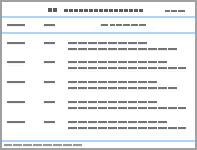
Table 1
Main chemical compositions of raw materials %"
| 原料 | w(CaO) | w(SiO2) | w (Al2O3) | w(MgO) | w (Fe2O3) | w(SO3) | w (K2O) |
|---|---|---|---|---|---|---|---|
| 普通硅酸盐水泥 | 45.180 | 21.930 | 12.520 | 4.550 | 4.010 | 3.100 | 0.534 |
| 39.330 | 31.320 | 17.060 | 7.900 | 1.310 | 1.300 | 0.497 |
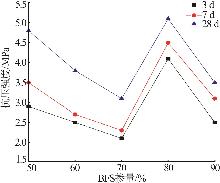
Fig.1
Effect of BFS dosage on compressive strength"
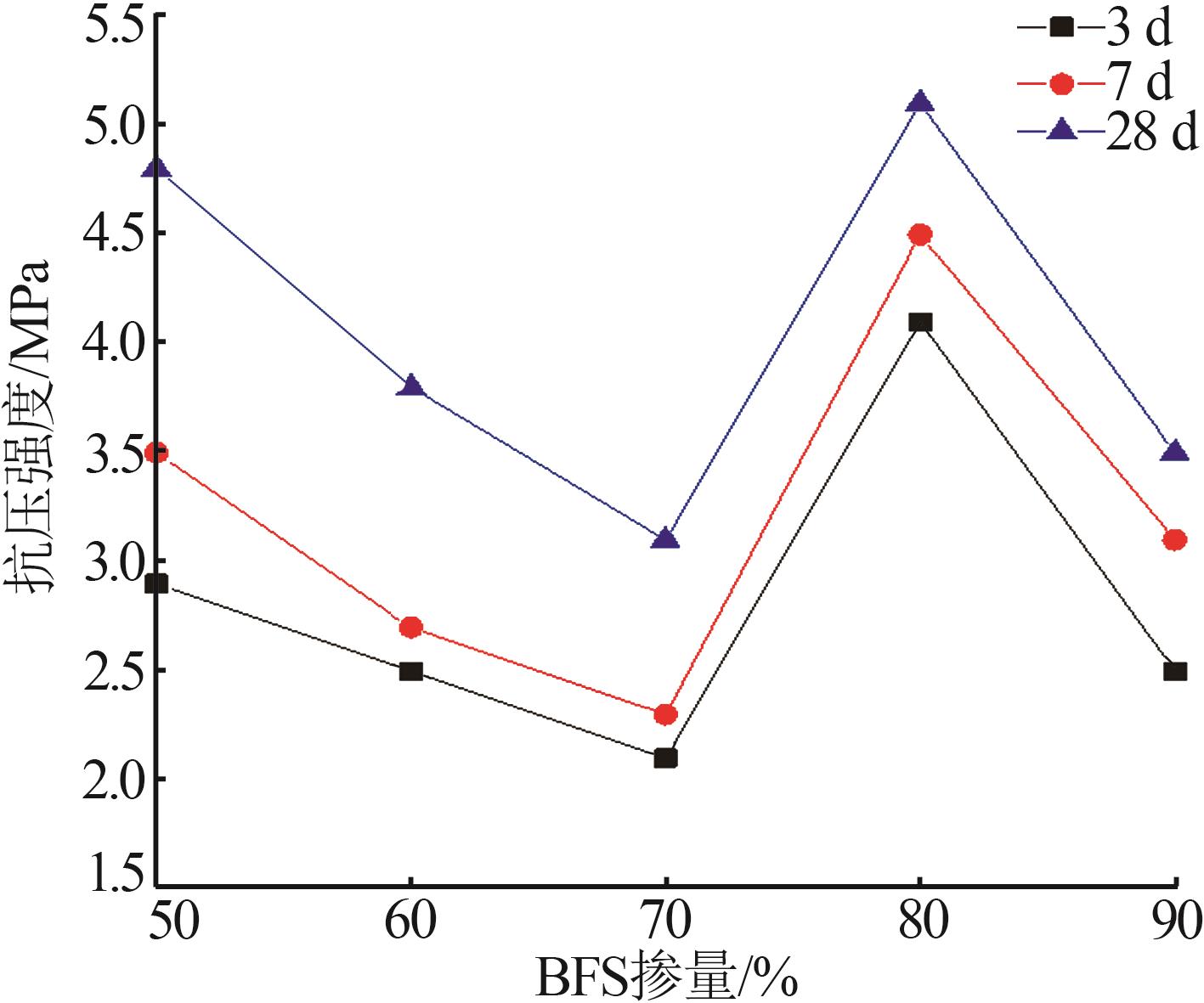
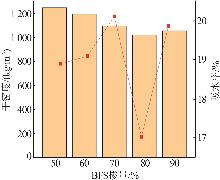
Fig.2
Effect of BFS dosage on dry density and water absorption rate"
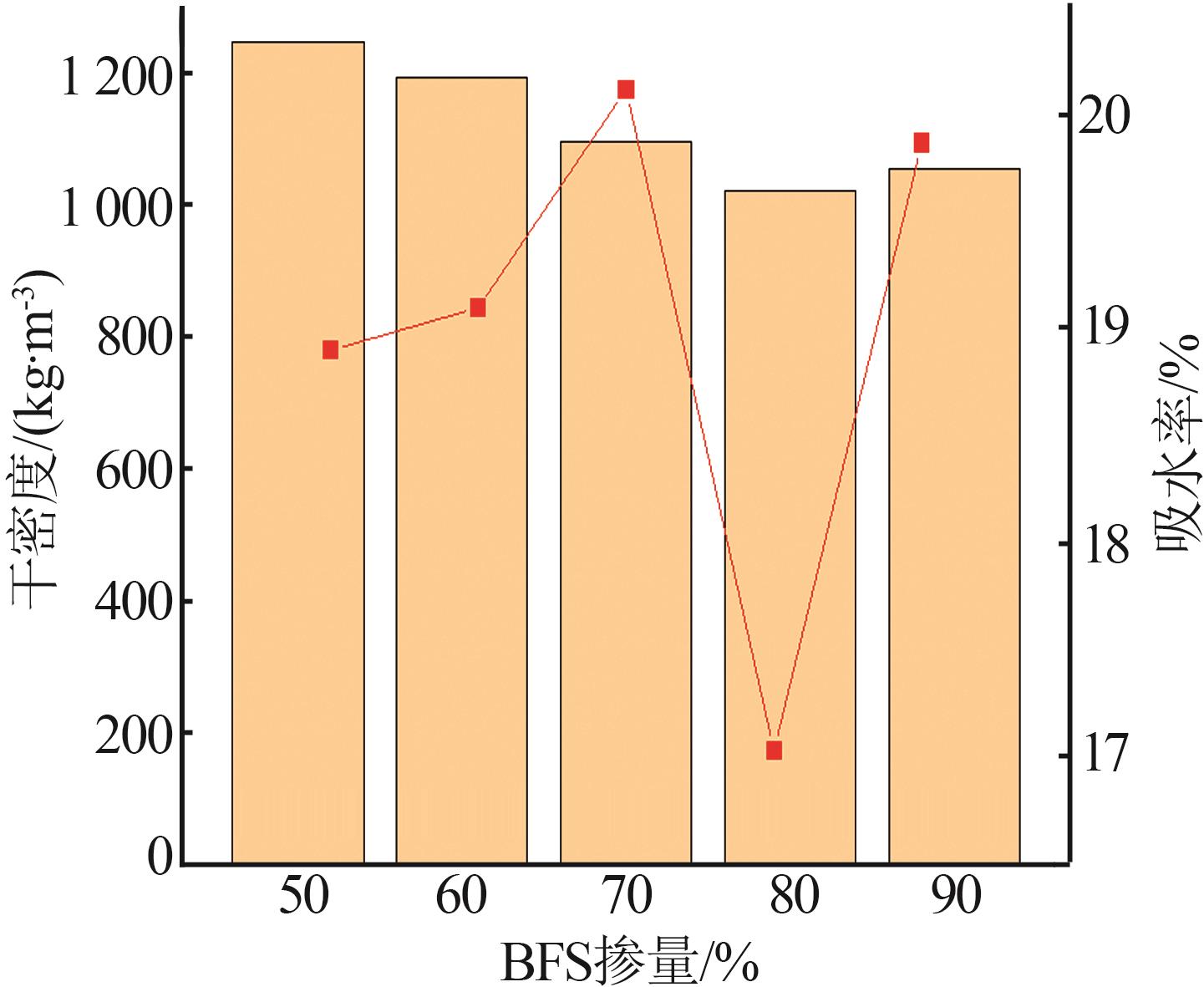
Fig.3
Effect of BFS dosage on thermal conductivity"
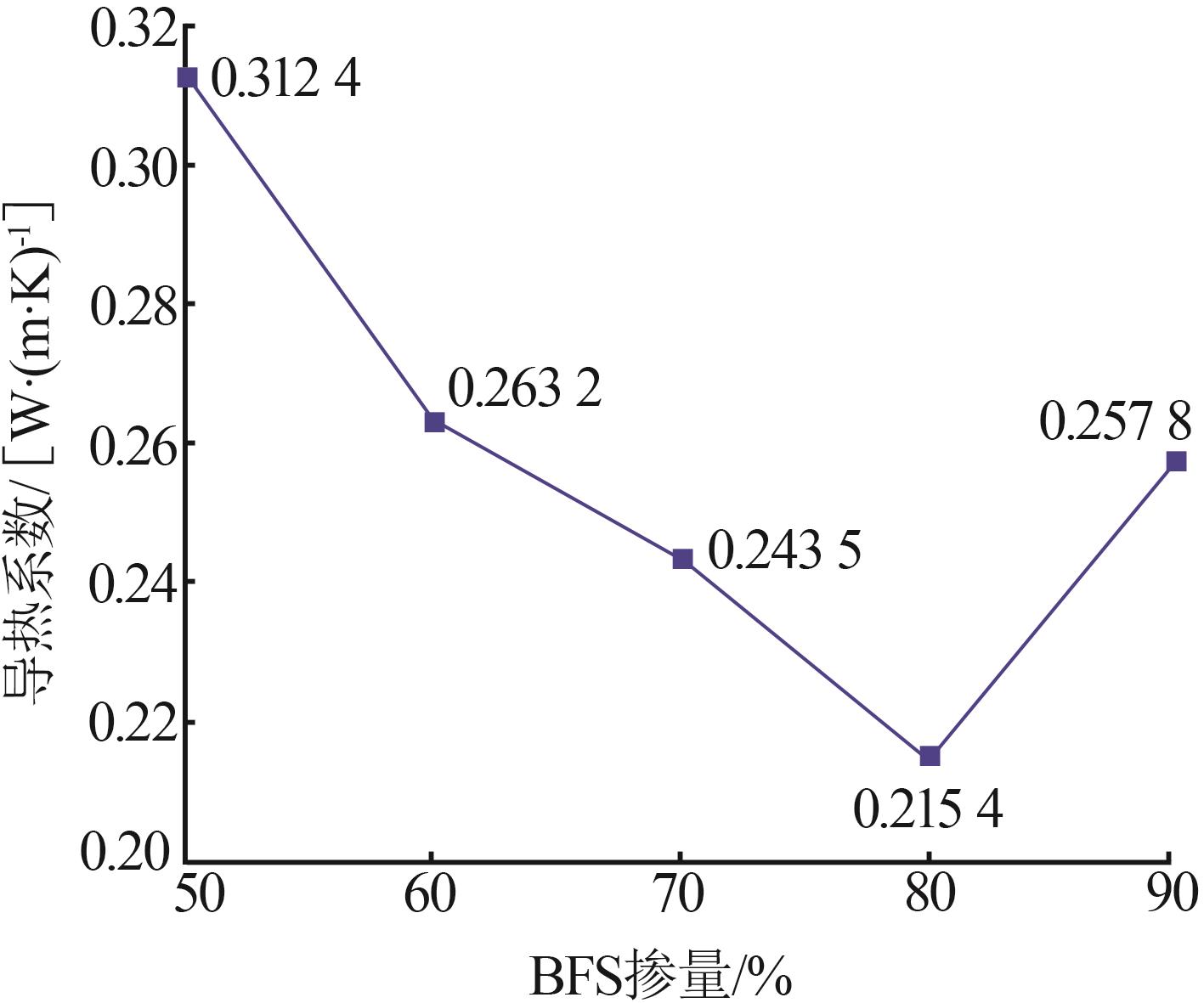
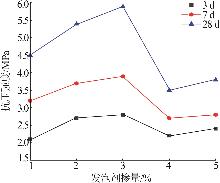
Fig.4
Effect of blowing agent dosage on compressive strength"
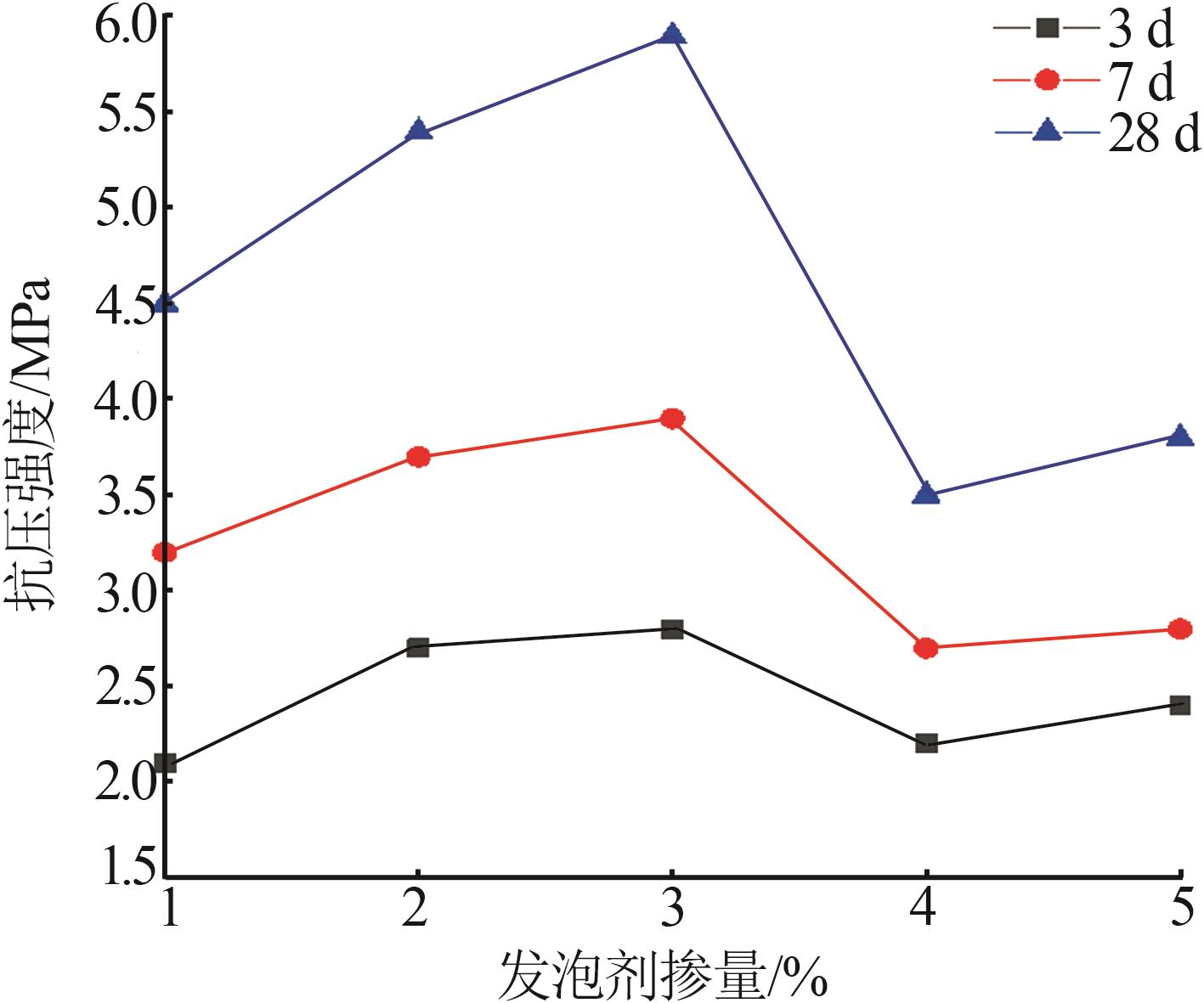
Fig.5
Effect of blowing agent dosage on dry density and water absorption"
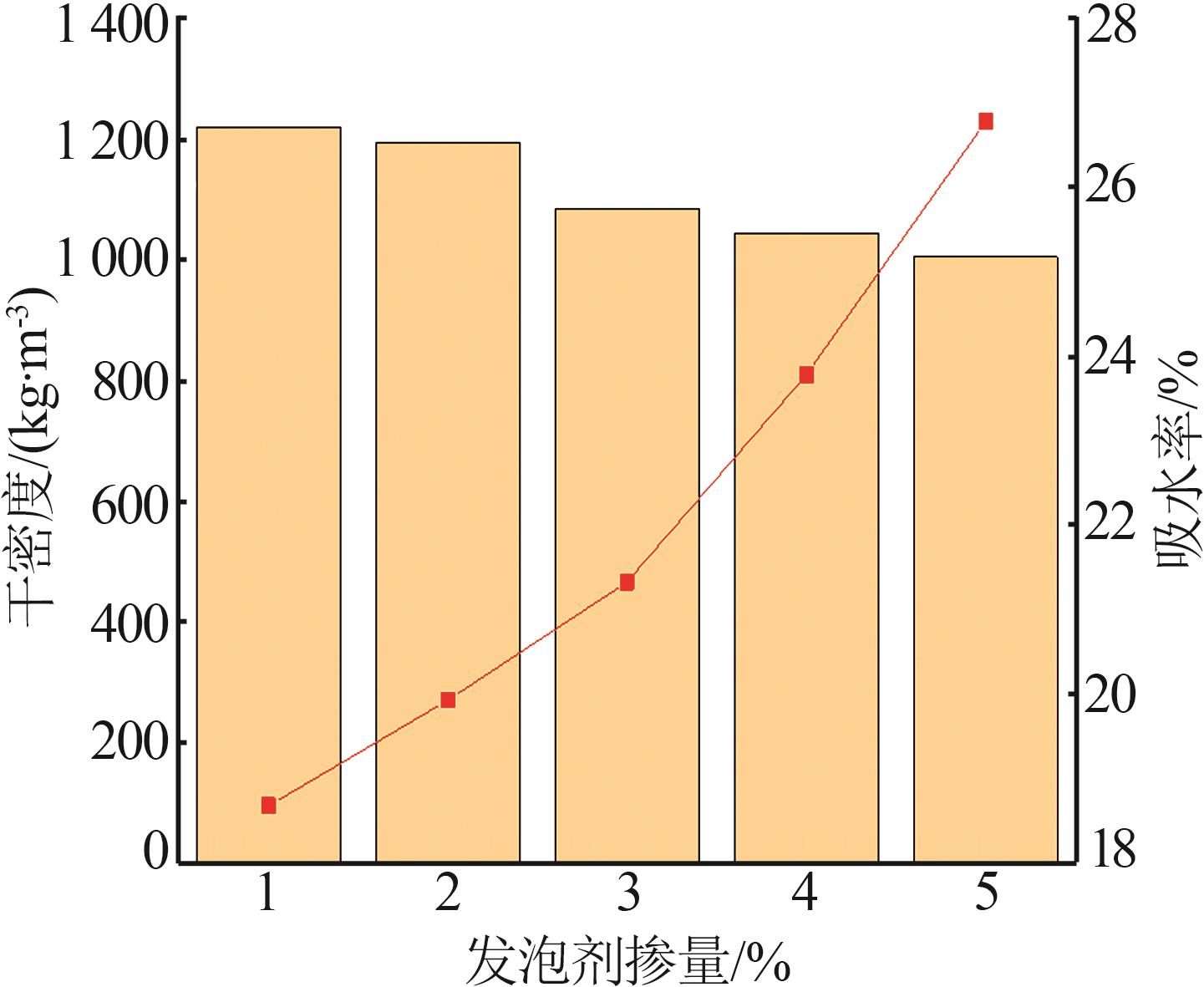
Fig.6
Effect of blowing agent dosage on thermal conductivity"
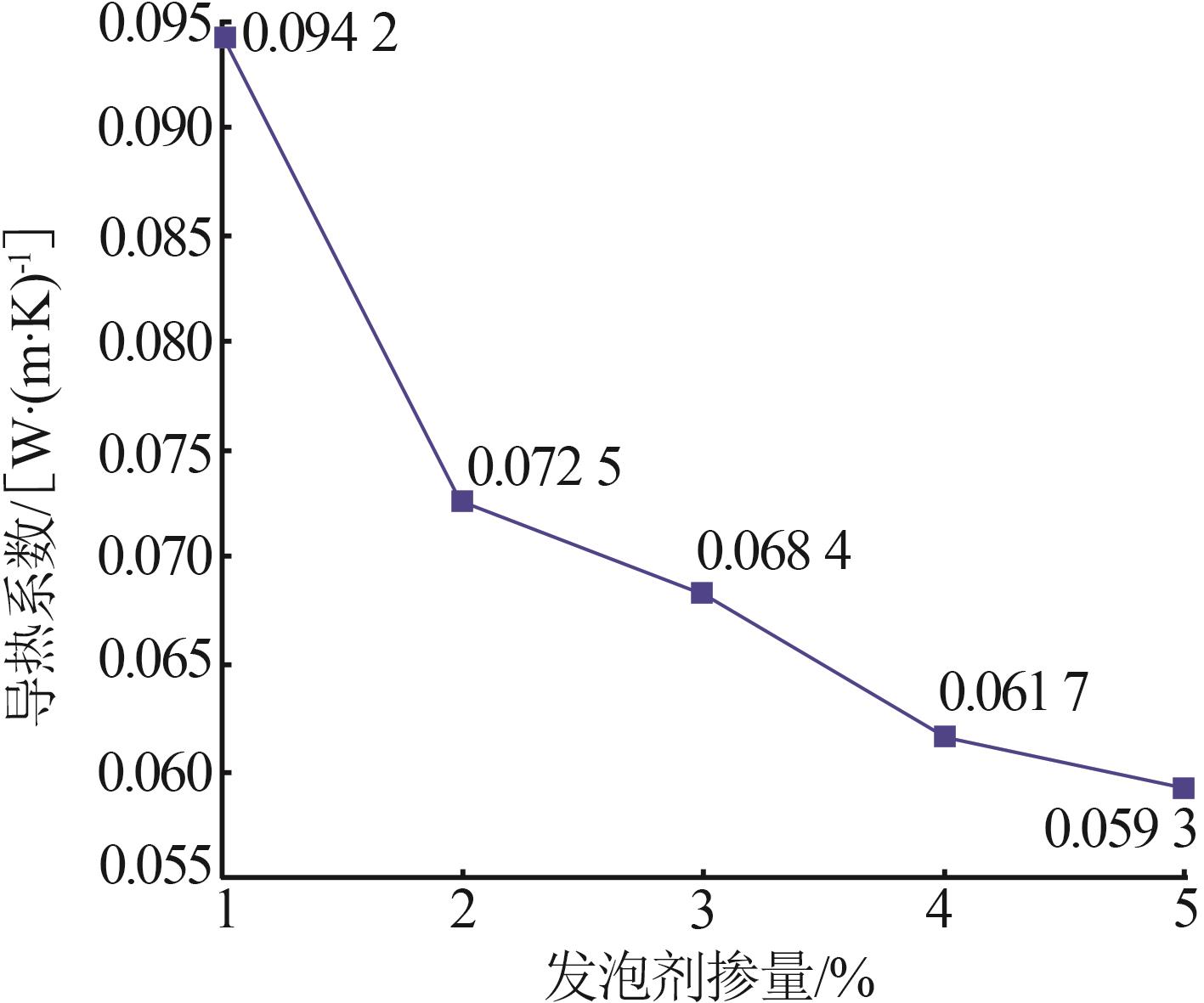
Fig.7
Optical microscope images of different blowing agent admixtures"
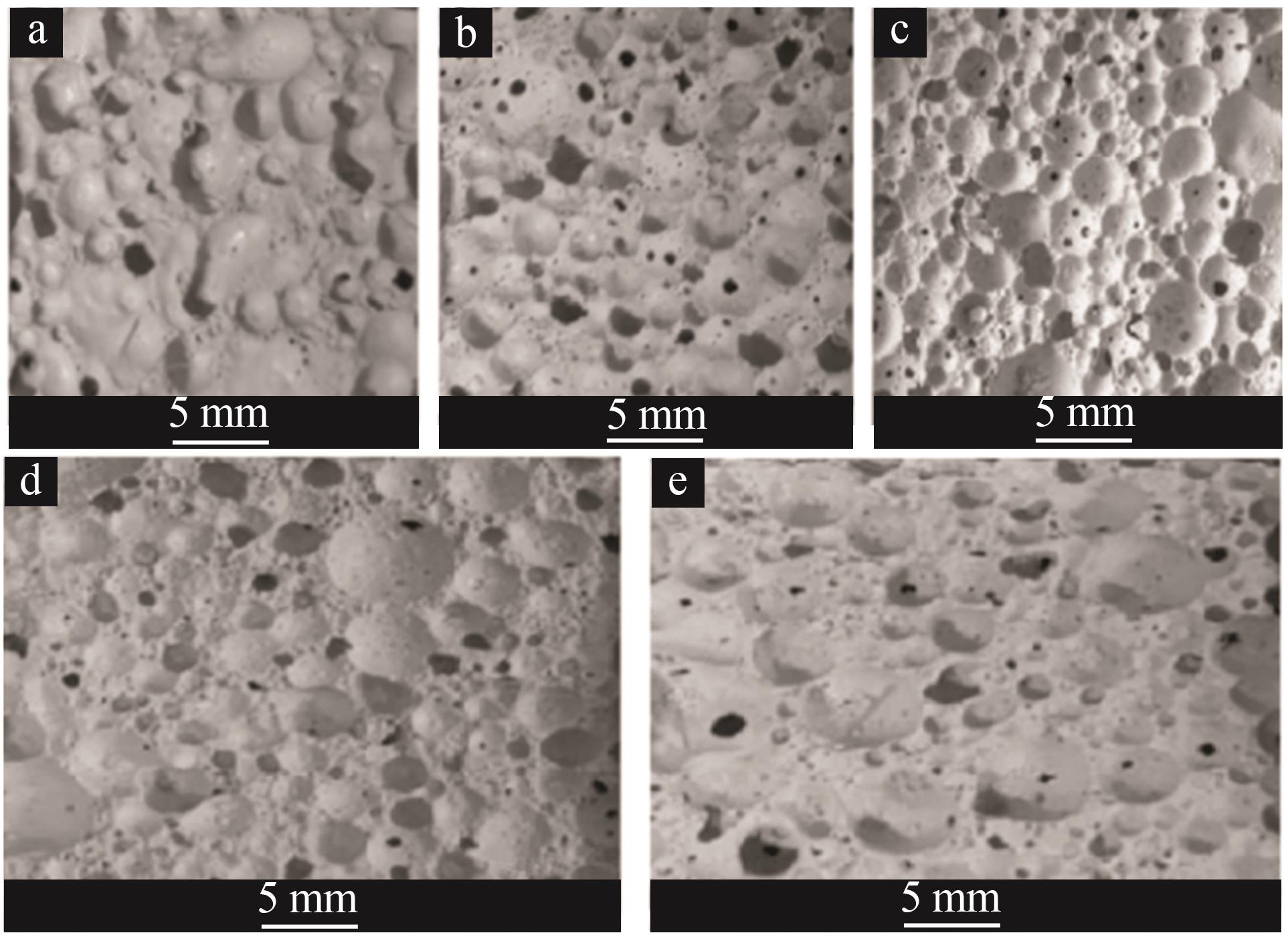
Fig.8
Pore size distribution of foam concrete"
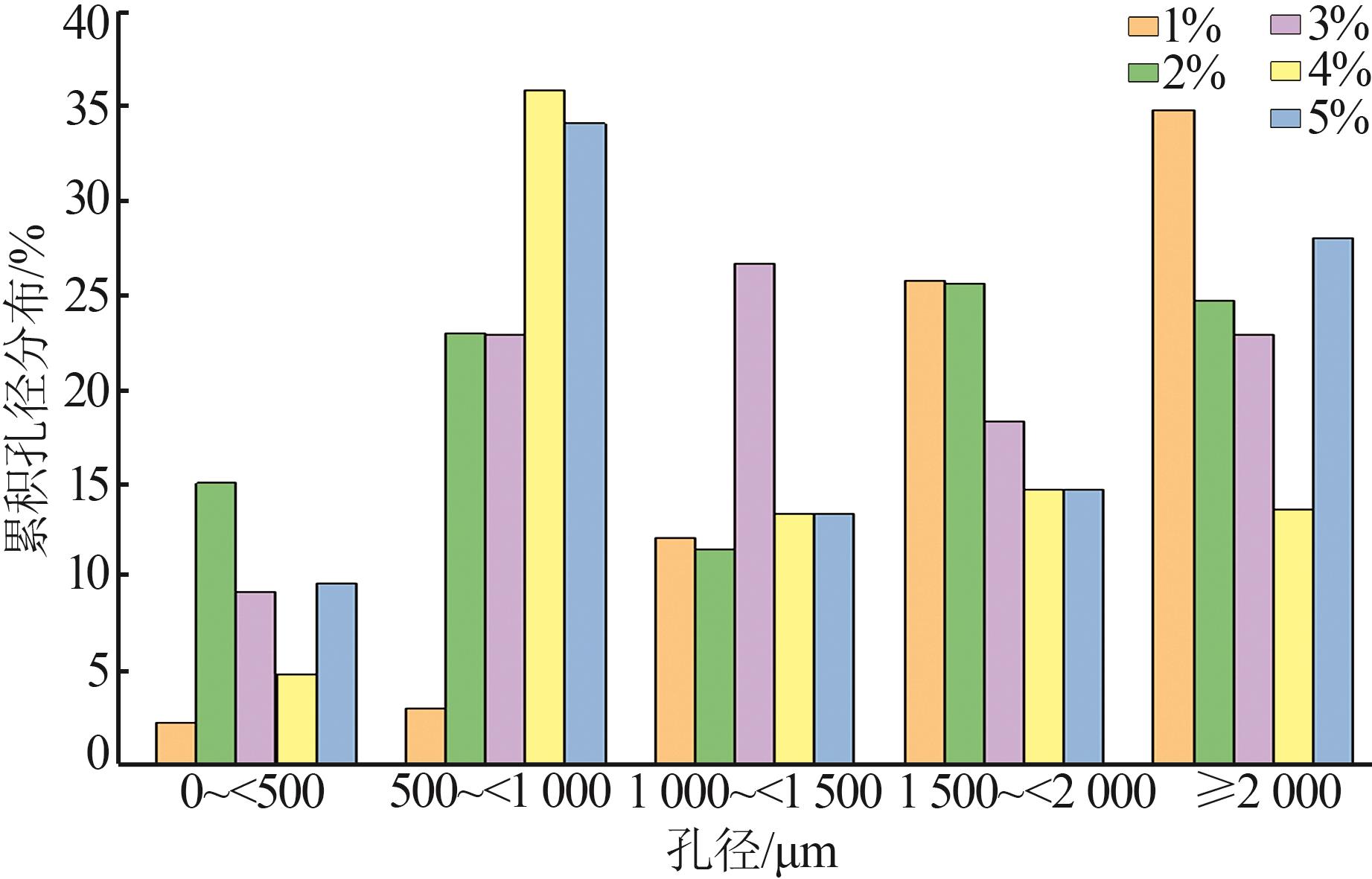
Fig.9
Hole shape factor of foam concrete"
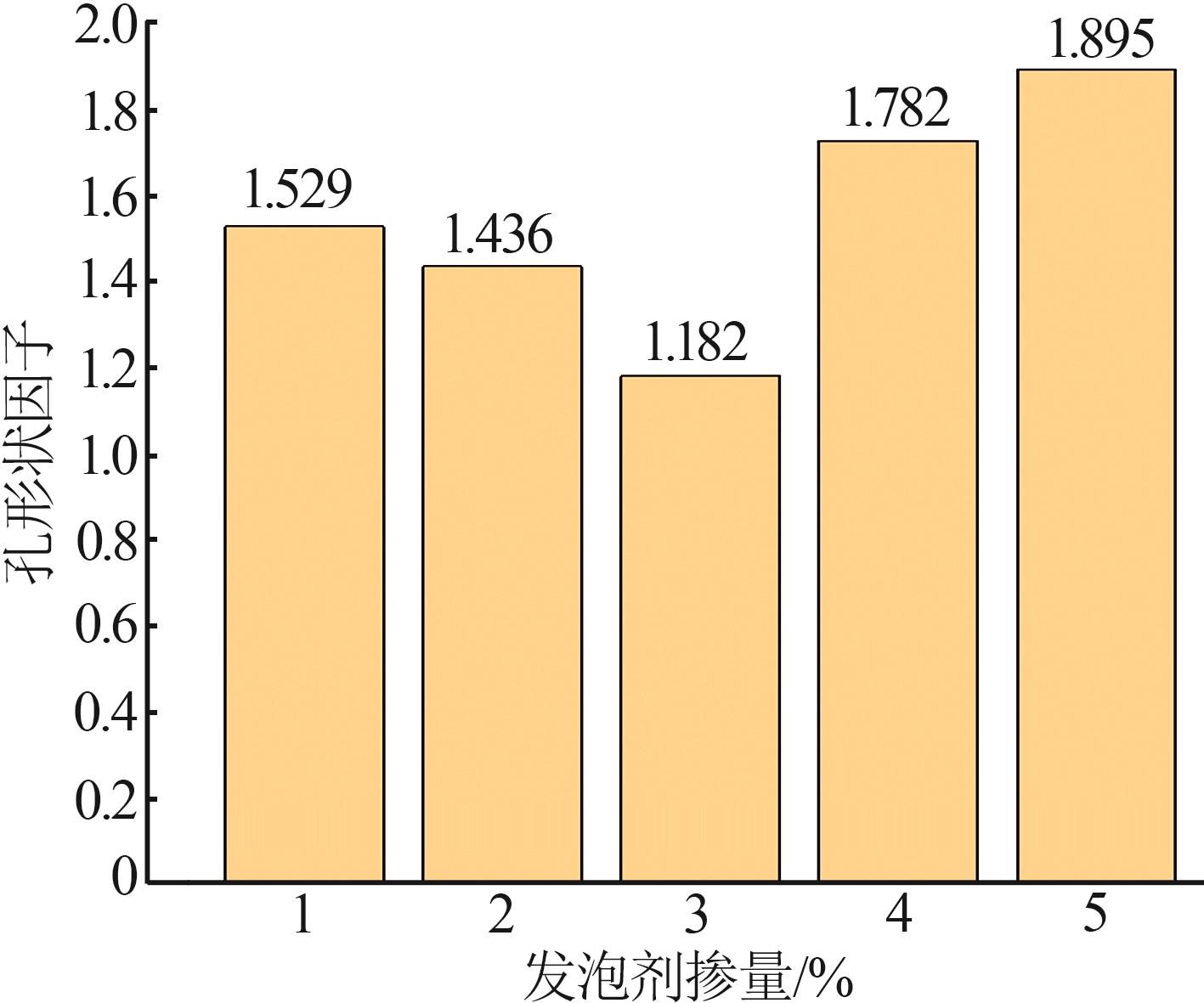
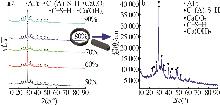
Fig.10
XRD patterns of foam concrete"
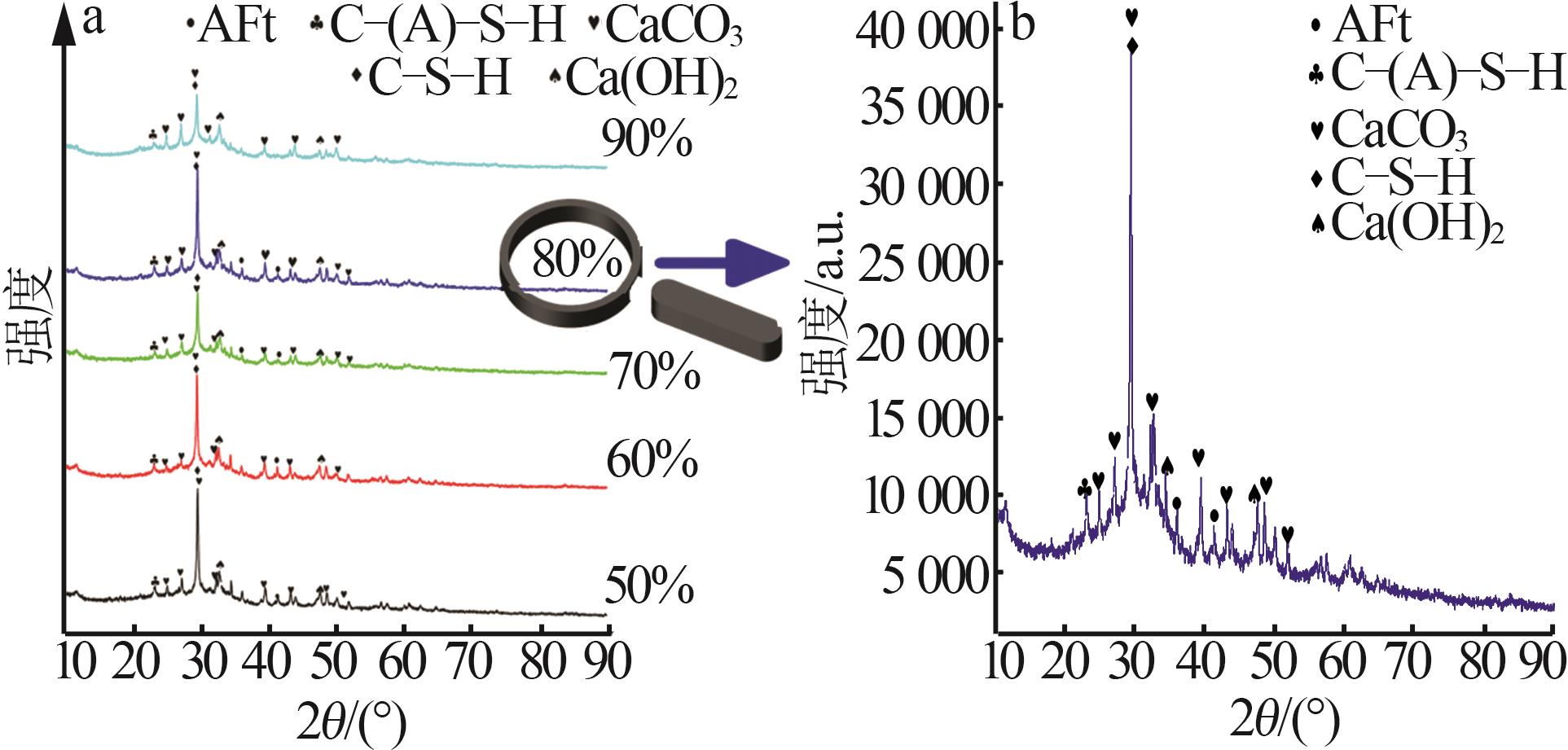
Fig.11
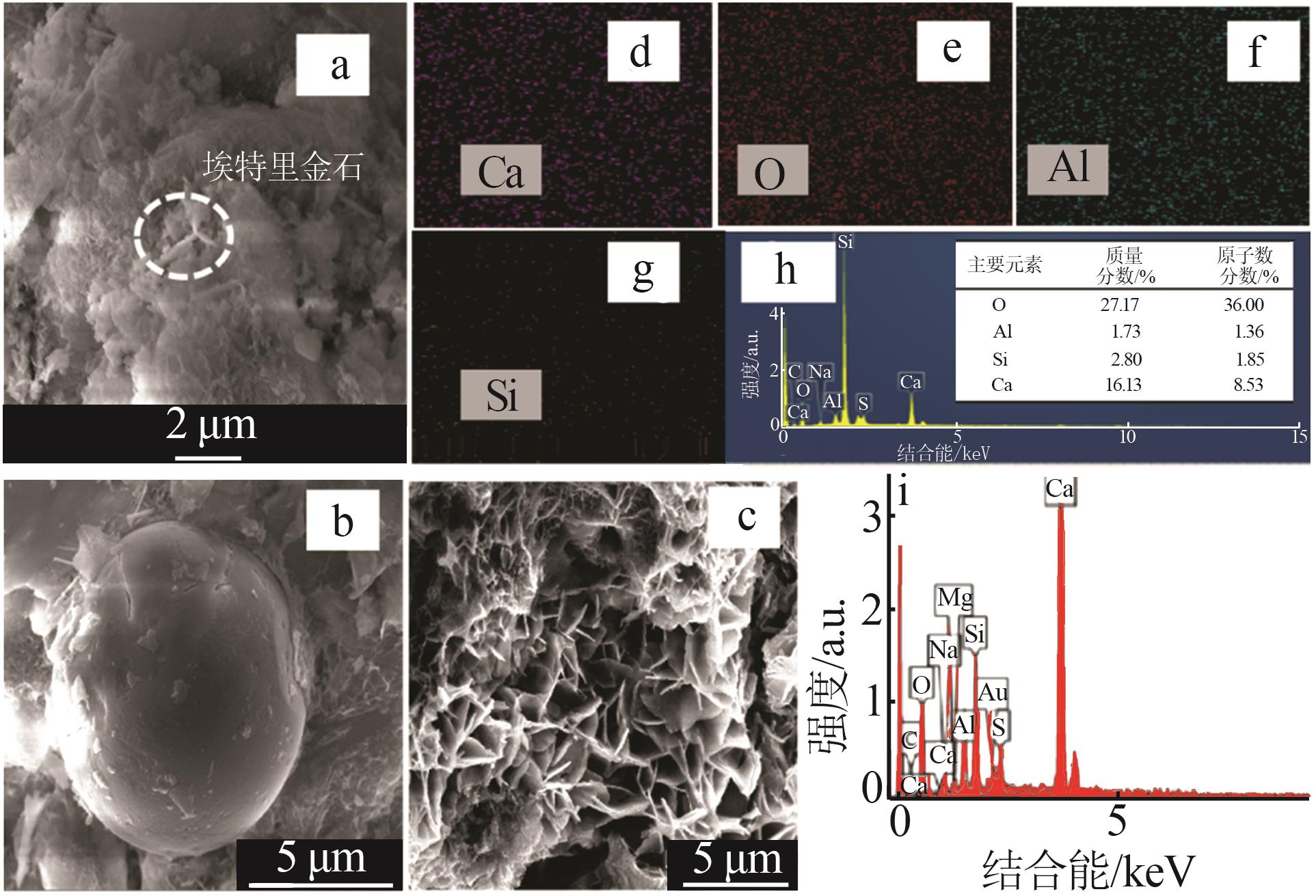
SEM images and EDS mappings of foam concrete with doping of 3% blowing agent"
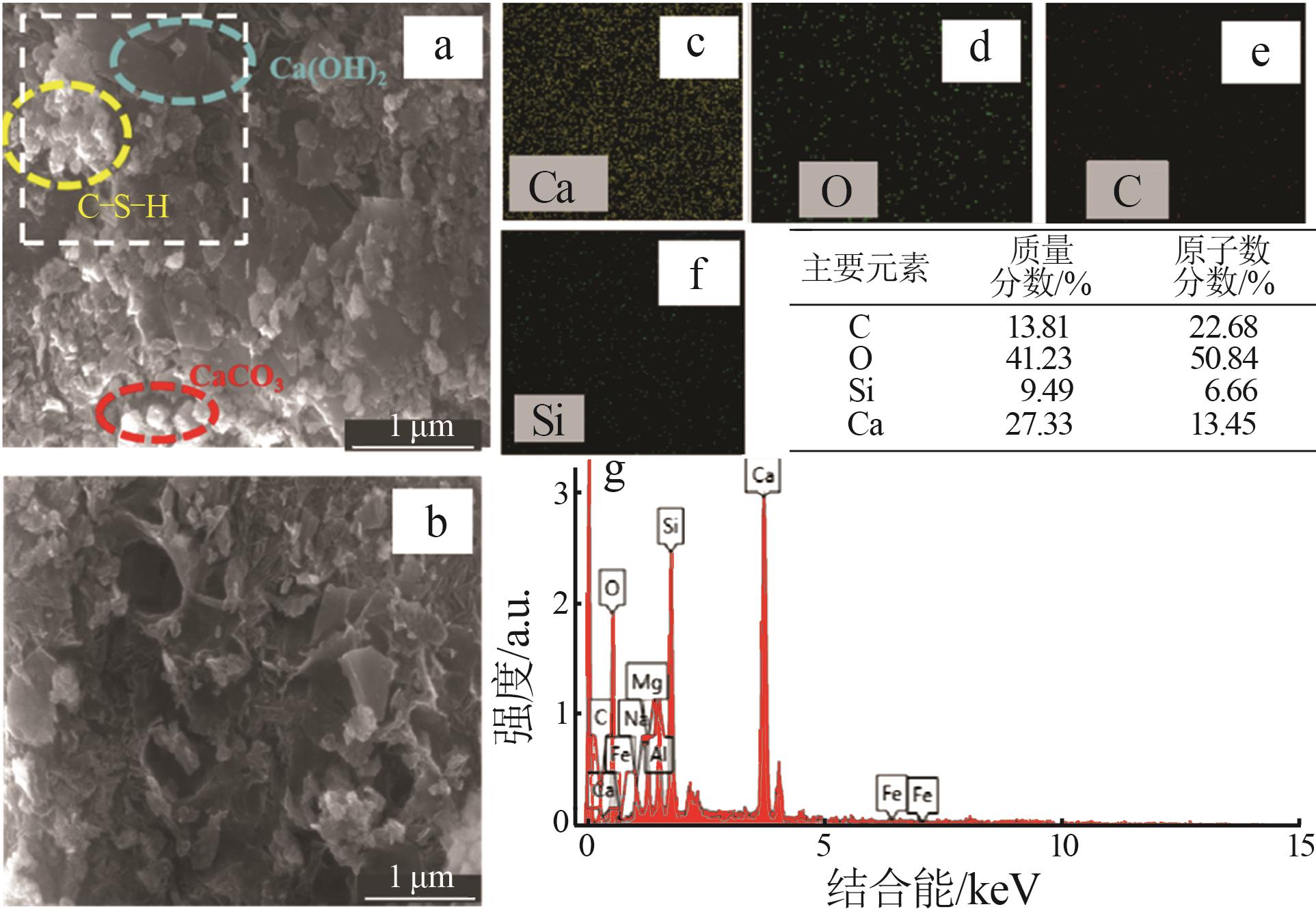
Fig.12
SEM images and EDS mappings of foam concrete with 80% BFS"
| [1] | WANG Xiaobin, LI Xiuying, YAN Xiang,et al.Environmental risks for application of iron and steel slags in soils in China:A review[J].Pedosphere,2021,31(1):28-42. |
| [2] | ZENG Qingsen, LIU Xiaoming, ZHANG Zengqi,et al.Synergistic utilization of blast furnace slag with other industrial solid wastes in cement and concrete industry:Synergistic mechanisms,applications,and challenges[J].Green Energy and Resources,2023,1(2):100012. |
| [3] | 刘健,李伟,王立才,等.碱激发矿渣基泡沫混凝土的制备及其封存CO2可行性研究[J].中国矿业,2024,33(1):218-225. |
| LIU Jian, LI Wei, WANG Licai,et al.Preparation of alkali-activated slag based foam concrete and feasibility study on CO2 sequestration[J].China Mining Magazine,2024,33(1):218-225. | |
| [4] | 胡宝春,付春雨,李珊珊.高性能泡沫混凝土的制备及性能研究[J].功能材料,2024,55(2):2181-2186,2200. |
| HU Baochun, FU Chunyu, LI Shanshan.Study on preparation and performance of high-performance foam concrete[J].Journal of Functional Materials,2024,55(2):2181-2186,2200. | |
| [5] | GU Jun, LIU Xu, TAN Hongwei,et al.Impact of chronic obstructive pulmonary disease on procedural outcomes and quality of life in patients with atrial fibrillation undergoing catheter ablation[J].Journal of Cardiovascular Electrophysiology,2013,24(2):148-154. |
| [6] | 陈佩韦,仲建军,顾兴庆,等.隧道壁后注浆材料发泡剂的制备与性能[J].城市轨道交通研究,2023,26(5):70-75. |
| CHEN Peiwei, ZHONG Jianjun, GU Xingqing,et al.Preparation and properties of foaming agent for tunnel backwall grouting materials[J].Urban Mass Transit,2023,26(5):70-75. | |
| [7] | 俞金江,盛臻磊.带纤维水泥面板陶粒泡沫混凝土复合砌块力学性能试验研究[J].建筑结构,2023,53(S2):1301-1305. |
| YU Jinjiang, SHENG Zhenlei.Experimental study on mechanical properties of ceramsite foam concrete composite block with fiber cement panel[J].Building Structure,2023,53(S2):1301-1305. | |
| [8] | LI Jie, CHEN Zhongfan, CHEN Wenwen.Axial load-bearing capacities of pre-cast self-insulation walls made by foam concrete[J].Structures,2020,27:1951-1961. |
| [9] | 龙崎钧,吴琴,陶佳,等.高掺量改性半水磷石膏墙体材料力学性能研究[J].无机盐工业,2025,57(4):89-96. |
| LONG Qijun, WU Qin, TAO Jia,et al.Study on mechanical properties of high content modified hemihydrate phosphogypsum wall materials[J].Inorganic Chemicals Industry,2025,57(4):89-96. | |
| [10] | BENHELAL E, ZAHEDI G, SHAMSAEI E,et al.Global strategies and potentials to curb CO2 emissions in cement industry[J].Journal of Cleaner Production,2013,51:142-161. |
| [11] | 倪栋,唐亮,何兆益,等.电解锰渣对熟石灰-矿渣体系硫酸盐激发性能研究[J].无机盐工业,2024,56(11):151-157. |
| NI Dong, TANG Liang, HE Zhaoyi,et al.Study on sulfate activation performance of electrolytic manganese residue in hydrated lime-slag system[J].Inorganic Chemicals Industry,2024,56(11):151-157. | |
| [12] | 陈龙龙.路基填充用泡沫混凝土的性能改善试验研究[D].天津:天津大学,2019. |
| CHEN Longlong.Experimental study on performance improvement of foamed concrete for roadbed filling[D].Tianjin:Tianjin University,2019. | |
| [13] | 陈飞屹.碱矿渣泡沫混凝土的制备与性能研究[D].重庆:重庆大学,2021. |
| CHEN Feiyi.Research on the preparation and properties of alkali slag foamed concrete[D].Chongqing:Chongqing University,2021. | |
| [14] | 汪海风,刘杰,卢建磊,等.玻璃粉-矿渣地聚合物基泡沫混凝土研究[J].新型建筑材料,2016,43(12):76-79. |
| WANG Haifeng, LIU Jie, LU Jianlei,et al.Study on geopolymer foamed concrete based on glass powder-slag[J].New Building Materials,2016,43(12):76-79. | |
| [15] | LI Maogao, TAN Hongbo, HE Xingyang,et al.Enhancement in compressive strength of foamed concrete by ultra-fine slag[J].Cement and Concrete Composites,2023,138:104954. |
| [16] | 胡忠帅.混合碱激发矿粉泡沫混凝土的制备及性能研究[D].烟台:烟台大学,2024. |
| HU Zhongshuai.Study on preparation and properties mixed alkali activated foam concrete with mineral[D].Yantai:Yantai University,2024. | |
| [17] | 刘柏君,张国防,郑薇,等.矿物掺合料对泡沫混凝土性能影响的对比研究[J].建筑材料学报,2025:28(3):252-260. |
| LIU Baijun, ZHANG Guofang, ZHENG Wei,et al.Comparative study on the influence of mineral admixtures on the performance of foam concrete[J].Journal of Building Materials,2025:28(3):252-260. | |
| [18] | 郭凌云,陈波,高志涵,等.冻融循环下玄武岩纤维泡沫混凝土孔结构及导热性能[J].复合材料学报,2025,42(6):3274-3287. |
| GUO Lingyun, CHEN Bo, GAO Zhihan,et al.Pore structure and thermal conductivity of basalt fiber reinforced foam concrete under freeze-thaw cycles[J].Acta Materiae Compositae Sinica,2025,42(6):3274-3287. | |
| [19] | 宋强,邹颖杰,张鹏,等.泡沫混凝土气泡性能与基体材料研究进展[J].硅酸盐学报,2024,52(2):706-724. |
| SONG Qiang, ZOU Yingjie, ZHANG Peng,et al.Research progress on foam performance and matrix materials for foam concre-te[J].Journal of the Chinese Ceramic Society,2024,52(2):706-724. | |
| [20] | 徐蕊,杨辰飞,张磊,等.改性微生物泡沫剂及其在泡沫混凝土中的应用[J].建筑材料学报,2025,28(1):42-49. |
| XU Rui, YANG Chenfei, ZHANG Lei,et al.Modified microbial foaming agent and its application in foamed concrete[J].Journal of Building Materials,2025,28(1):42-49. | |
| [21] | 侯杰.碱激发泡沫混凝土浆体流变性能及泡沫稳定性研究[D].济南:济南大学,2024. |
| HOU Jie.Study on rheological properties of paste and thw effect of foam stability in alkali-excited foam concrete[D].Jinan:Jinan University,2024. | |
| [22] | 曹启坤,景昊星,李豪.基于响应曲面法的粉煤灰泡沫混凝土配合比优化[J].硅酸盐通报,2024,43(4):1427-1435. |
| CAO Qikun, JING Haoxing, LI Hao.Optimization of fly ash foam concrete mix proportion based on response surface methodolo-gy[J].Bulletin of the Chinese Ceramic Society,2024,43(4):1427-1435. | |
| [23] | 乔凯俐.蛋白质发泡剂对泡沫混凝土力学性能影响研究[J].中国战略新兴产业,2024(8):145-148. |
| QIAO Kaili.Study on the influence of protein foaming agent on the mechanical properties of foamed concrete[J].China Strategic Emerging Industry,2024(8):145-148. | |
| [24] | 王述红,贡藩,尹宏,等.聚酯纤维泡沫混凝土力学性能及孔结构研究[J].材料导报,2024,38(1):109-116. |
| WANG Shuhong, GONG Fan, YIN Hong,et al.Study on mechanical properties and pore structure of foamed concrete reinforced with polyester fiber[J].Materials Reports,2024,38(1):109-116. | |
| [25] | 尹冠生,张锦涛,史明辉,等.相变蓄热泡沫混凝土热性能[J].复合材料学报,2023,40(7):4246-4259. |
| YIN Guansheng, ZHANG Jintao, SHI Minghui,et al.Thermal properties of phase change thermal storage foam concrete[J].Acta Materiae Compositae Sinica,2023,40(7):4246-4259. | |
| [26] | DHASINDRAKRISHNA K, PASUPATHY K, RAMAKRISHNAN S,et al.Progress,current thinking and challenges in geopolymer foam concrete technology[J].Cement and Concrete Composites,2021,116:103886. |
| [27] | 刘慈军,吴子杨,程书凯,等.再生细骨料对超高性能混凝土的力学与自收缩性能影响[J].无机盐工业,2024,56(9):75-81. |
| LIU Cijun, WU Ziyang, CHENG Shukai,et al.Effect of recycled fine aggregate on mechanical properties and autogenous shrinkage of ultra-high performance concrete[J].Inorganic Chemicals Industry,2024,56(9):75-81. | |
| [28] | MO Liwu, ZHANG Feng, PANESAR D K,et al.Development of low-carbon cementitious materials via carbonating Portland cement-fly ash-magnesia blends under various curing scenarios:A comparative study[J].Journal of Cleaner Production,2017,163:252-261. |
| [29] | 宋谨英,杨爱梅,朱勇,等.方解石型片状碳酸钙的制备研究[J].无机盐工业,2025,57(8):41-47. |
| SONG Jinying, YANG Aimei, ZHU Yong,et al.Study on preparation of flake-like calcite-type calcium carbonate[J].Inorganic Chemicals Industry,2025,57(8):41-47. | |
| [30] | ZHAO Jing, LI Yuqing, YANG Jingjing,et al.Preparation of slag-based foam concrete and its carbon dioxide sequestration performance[J].International Journal of Greenhouse Gas Control,2024,135:104156. |
| [31] | AHıSKALı A, AHıSKALı M, BAYRAKTAR O Y,et al.Mechanical and durability properties of polymer fiber reinforced one-part foam geopolymer concrete:A sustainable strategy for the recycling of waste steel slag aggregate and fly ash[J].Construction and Building Materials,2024,440:137492. |
| [1] | YIN Yujiao, WU Fei, ZHOU Wenqiang, HE Dianwei. Preparation of C-S-H/PCE nanocomposites and its effect on early hydration of cement [J]. Inorganic Chemicals Industry, 2025, 57(9): 66-72. |
| [2] | TIAN Bo, HAO Jianying, WANG Shengchang. Effect of compound magnesium salt on performance of desulfurized building gypsum [J]. Inorganic Chemicals Industry, 2025, 57(8): 87-93. |
| [3] | WANG Feng, SONG Yu, HE Zhaoyi, XIA Yuhua, BI Yanli, FENG Hao, CAO Dongwei. Study on mechanical properties and microscopic characterization of phosphogypsum composite cementitious materials [J]. Inorganic Chemicals Industry, 2025, 57(5): 93-99. |
| [4] | LONG Qijun, WU Qin, TAO Jia, CHEN Chuanxiang, WANG Jianxiang, YU Fang. Study on mechanical properties of high content modified hemihydrate phosphogypsum wall materials [J]. Inorganic Chemicals Industry, 2025, 57(4): 89-96. |
| [5] | HAN Yingming, SUN Ruize, SUN Yining, SONG Xingfei. Study on properties of modified magnesia sulfide cement by calcined coal gangue powder [J]. Inorganic Chemicals Industry, 2025, 57(4): 97-104. |
| [6] | LIU Cijun, WU Ziyang, CHENG Shukai, CHEN Xuyong. Effect of recycled fine aggregate on mechanical properties and autogenous shrinkage of ultra-high performance concrete [J]. Inorganic Chemicals Industry, 2024, 56(9): 75-81. |
| [7] | ZHANG Ruijun, CHEN Guoliang, SONG Chuncao, ZHU Yafei. Effects of graphene oxide on mechanical properties and chloride penetration resistance of ultra⁃high performance concrete incorporating recycled sand [J]. Inorganic Chemicals Industry, 2024, 56(8): 54-59. |
| [8] | LI Keke, XUE Jiangwei, WANG Luwei, GUAN Xuemao. Effect of MgAl-layered double hydroxides on properties of high-iron low-calcium portland cement [J]. Inorganic Chemicals Industry, 2024, 56(4): 57-63. |
| [9] | YU Zhou, HE Zhaoyi, TANG Liang, HE Sheng, XIAO Haixin, XIAO Yixun. Study on preparation and microscopic properties of typical sulfate solid waste composite cementitious materials [J]. Inorganic Chemicals Industry, 2024, 56(4): 90-97. |
| [10] | WANG Chen, HE Wei, SUN Mengyuan. Research on preparation of nano-bismuth oxide-enhanced chloride/magnesium oxide composites and their thermophysical properties [J]. Inorganic Chemicals Industry, 2024, 56(12): 120-126. |
| [11] | CUI Gengyin, XIE Lang, LU Yuexian, KONG Dewen, WANG Lingling. Optimization of mechanical properties of basalt fiber reinforced phosphogypsum-based composites based on RSM [J]. Inorganic Chemicals Industry, 2023, 55(8): 116-123. |
| [12] | WANG Yue, FANG Guoxiang, ZHANG Daoming, WANG Weicheng. Effect of nanosilica on gelling properties of hydraulic lime [J]. Inorganic Chemicals Industry, 2023, 55(7): 75-80. |
| [13] | XU Li, FANG Keneng, BI Yongxiang, YANG Min, CHEN Qianlin. Preparation of modified granular-like CaSO4 and its application in polyvinyl chloride [J]. Inorganic Chemicals Industry, 2023, 55(3): 104-112. |
| [14] | GUO Jianye, WANG Dong, SU Lijun, LI Wenjing. Effect of aerogel doping on thermal insulation performance of glass fiber felt [J]. Inorganic Chemicals Industry, 2023, 55(11): 53-57. |
| [15] | ZHANG Yanru, REN Changzai, SONG Zhanlong, ZHU Jianjun, ZHAO Baofeng, XIE Hongzhang, WANG Zhenjiang, QI Xiaole. Study on performance of biomass power plant ash as alternative to cement clinker in blended cements [J]. Inorganic Chemicals Industry, 2023, 55(10): 128-135. |
| Viewed | ||||||
|
Full text |
|
|||||
|
Abstract |
|
|||||
|
||